

 CN

New Multi-Channel HDMI HD Video Surveillance Decoder Matrix: DS-6A01UD / DS-6A04UD / DS-6A06UD / DS-6A08UD
As surveillance systems grow from a handful of cameras to hundreds of channels, the bottleneck is rarely the camera any more — it is the wall. Operators need every critical feed visible at the right size, at the right moment, and on the right screen. The new multi-channel HDMI HD video surveillance decoder matrix series (model numbers DS-6A01UD, DS-6A04UD, DS-6A06UD and DS-6A08UD) is built for exactly that job: it takes compressed network video streams and turns them into clean, stable, high-definition video walls with built-in splicing and screen-control logic, without adding a separate controller box to the rack.
This article covers what the unit is, what its specification means in practice, where it fits best in a real deployment, and the questions integrators ask most often before ordering.
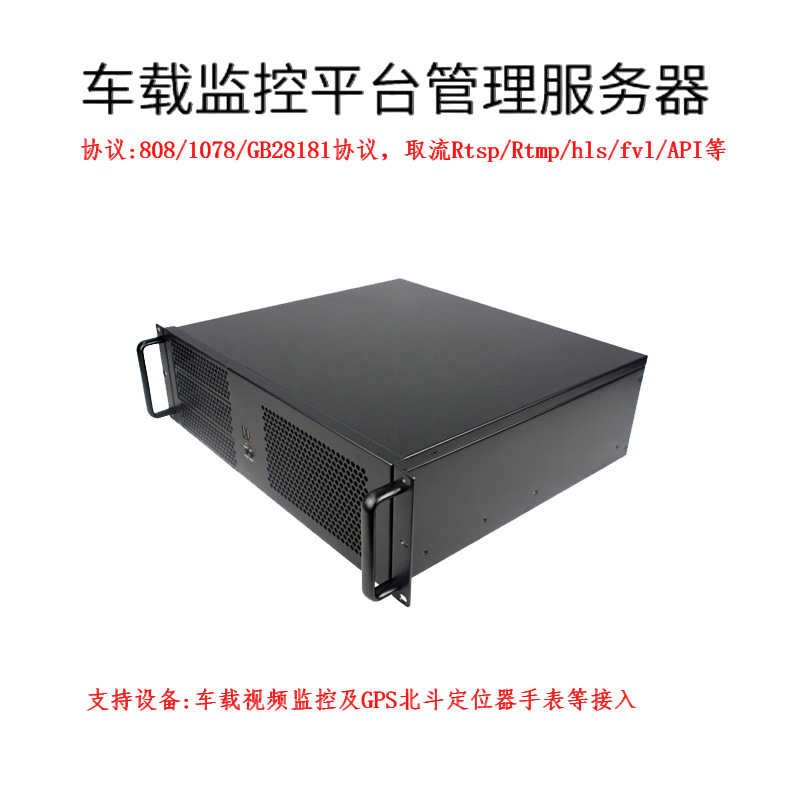
What Is a Video Decoder Matrix?
A decoder matrix is the bridge between IP video and physical displays. Network cameras and recorders deliver streams over Ethernet; the decoder matrix pulls those streams, decodes them, and outputs them to monitors, video walls, HDMI displays and analogue BNC endpoints. Compared with a PC-based visualisation workstation, a dedicated hardware decoder matrix delivers lower latency, predictable stability over long duty cycles, no operating-system maintenance, and a much cleaner rack footprint.
This series is a 2-screen HD decoding matrix with built-in splicing and screen control. In other words, the video wall logic — splitting, joining, roaming and window layout — is handled inside the chassis instead of by an external splicing processor. For a control room that only needs to drive a two-panel display group, that removes an entire device and an entire failure point from the bill of materials.
Key Capabilities at a Glance
- 16 HDMI outputs — the primary high-definition display path for monitors and video wall panels.
- 8 BNC outputs — legacy analogue or broadcast-style endpoints remain in service during a phased upgrade.
- 48 VGA outputs — a large low-cost display or distribution layer for secondary monitoring positions.
- 16 audio outputs — audio follows video to the operators who need to hear it.
- 8 input ports and 1 network interface — a compact, clearly defined network footprint for stream intake.
- 8 alarm inputs and 8 alarm outputs — dry-contact integration with door sensors, perimeter detectors, sirens and intercom panels.
- Built-in splicing control — no external video wall processor required for the two-screen group.
- 45 W power consumption — modest draw for a multi-output decoding appliance, which matters in dense racks.
- External 220 V power supply — power conversion is kept outside the chassis, simplifying service and replacement.
- Operating range −20 °C to 75 °C — suitable for plant rooms, unheated cabinets and other non-ideal environments.
- 22.3 kg, 450 mm chassis — a rack-friendly enclosure that stays stable and serviceable.
Full Technical Specification
| Category | Specification | Detail |
|---|---|---|
| Model | DS-6A01UD / DS-6A04UD / DS-6A06UD / DS-6A08UD | New multi-channel HDMI HD video surveillance decoder matrix |
| Form factor | 2-screen HD decoding matrix | Built-in splicing and screen control |
| HDMI outputs | 16 channels | Main high-definition display path |
| BNC outputs | 8 channels | Analogue / legacy endpoint support |
| VGA outputs | 48 channels | Secondary monitoring and distribution |
| Audio outputs | 16 channels | Audio follows video routing |
| Input ports | 8 | Stream and signal intake |
| Network interfaces | 1 | Wired Ethernet only |
| Alarm inputs | 8 | Dry-contact sensor integration |
| Alarm outputs | 8 | Relay control for sirens, lights, interlocks |
| Wi-Fi | Not supported | Wired-only design for security and stability |
| Stream combining | Not supported | Single-stream decoding per channel |
| Power supply | External, 220 V | Serviceable external power conversion |
| Power consumption | 45 W | Low draw for a multi-output matrix |
| Operating temperature | −20 °C to 75 °C | Wide tolerance for equipment rooms and cabinets |
| Operating humidity | 35 % RH | Controlled indoor environment |
| Weight | 22.3 kg | Requires proper rack support and ventilation clearance |
| Dimensions | 450 mm | Compact chassis depth/width for standard racks |
| Place of origin | China | Manufactured for export distribution |
| Brand | OEM / other | Private-label and distributor packaging available |
Why the Output Mix Matters More Than the Camera Count
Most decoder datasheets lead with decoding channels. That is the wrong number to buy on. The number that determines whether an installation succeeds is the output count, because that is what the operator actually looks at.
With 16 HDMI outputs, this matrix can feed a two-panel video wall and still leave a generous number of HDMI monitors for individual operator desks, supervisor offices and reception displays. The 8 BNC outputs allow older analogue monitors to remain in the loop — useful in retrofits where the analogue cabling is already installed, tested and paid for. The very high VGA output count (48 channels) supports the low-cost secondary layer: status screens, guard-room overview monitors, departmental displays and general distribution points where a VGA panel is entirely sufficient.
Having 16 audio outputs alongside 16 video outputs means the audio path scales with the video path rather than being a single afterthought output shared across all channels.
Alarm Integration Without Extra Hardware
Eight alarm inputs and eight alarm outputs are built into the chassis. In practice this lets the matrix participate in the security logic rather than just displaying the aftermath:
- A perimeter beam triggers an alarm input, and the corresponding camera is called to the main wall automatically.
- An alarm output drives a local sounder or warning lamp in the control room.
- Door contacts, intercoms and environmental sensors can be wired directly without a separate alarm panel for the video-side logic.
- Relay outputs can release a door, switch a lighting circuit or signal a third-party system.
Built-In Splicing and Screen Control
The 2-screen designation refers to the display group the chassis is designed to drive, and the splicing and control logic sits inside the unit. For system integrators, the practical benefit is a shorter signal chain: network switch, decoder matrix, displays. Nothing in between needs configuration, power, firmware management or warranty tracking.
It also simplifies commissioning. Because splicing is native, layout changes — a full-screen single-camera view for incident response, a four-up grid for general monitoring, a stretched panorama across both panels for situational awareness — are handled by the matrix's own control interface.
Where This Decoder Matrix Fits Best
- Security control rooms with a two-panel wall plus a row of operator monitors.
- Industrial and utility plants where the control room handles both process cameras and site security cameras.
- Campus and facility security needing a central overview plus distributed displays for security posts.
- Retail chains and logistics hubs monitoring loading bays, entrances and perimeters across many camera channels.
- Retrofit projects where BNC monitors and VGA displays must remain in service.
- Traffic, transport and public-space monitoring requiring simultaneous multi-camera visibility at several viewing positions.
Deployment Notes for Integrators
A few practical points worth planning for before the unit arrives:
- Ventilation first. At 22.3 kg with a wide −20 °C to 75 °C tolerance, the unit is thermally forgiving, but it still needs free airflow at the front and rear of the rack. Do not block the vents with cable bundles.
- Wired network only. Wi-Fi is intentionally not supported. Terminate a stable Ethernet run to a managed switch and keep the video VLAN segregated from general office traffic.
- External power. The 220 V supply is external. Provide a protected, switched outlet in the rack so that maintenance can be performed without removing the unit.
- Plan the output map. Decide which of the 16 HDMI, 8 BNC and 48 VGA outputs serve which viewing position before commissioning. A written output map turns a two-day commissioning job into a half-day one.
- Document the alarm wiring. Label all eight alarm inputs and eight alarm outputs with the sensor or device they serve, and keep the relay logic in the handover documentation.
- Confirm stream strategy. Stream combining is not supported, so each channel is decoded as a discrete stream. Size the network and the recorder's stream profile accordingly.
Operational Benefits Over Time
Total cost of ownership is where dedicated hardware wins. A 45 W draw across years of 24/7 operation is negligible next to a bank of decoding PCs. There is no operating system to patch, no graphics driver to roll back after an update breaks the wall, and no fanless mini-PC to replace when its thermal paste dries out. The external 220 V power supply is a separate, low-cost, field-replaceable item — when it eventually fails, the chassis does not need to come out of the rack.
The wide operating temperature range also matters more than it appears on paper. Equipment rooms are not data centres: summer heat rises, winter heating fails, and cabinets near loading bays swing in temperature. A −20 °C to 75 °C rating means the matrix is unlikely to be the component that takes the wall down.
Frequently Asked Questions
Does this decoder matrix support a video wall?
Yes. It is a 2-screen HD decoding matrix with built-in splicing and screen control, so the wall logic is handled internally without an external splicing processor.
Can I keep my existing analogue monitors?
Yes. There are 8 BNC outputs available alongside the 16 HDMI outputs, which allows analogue endpoints to stay in service during a gradual upgrade.
How many displays can be connected?
The chassis provides 16 HDMI, 8 BNC and 48 VGA outputs, giving a very large combined display capacity across high-definition, analogue and VGA endpoints.
Is wireless networking supported?
No. Wi-Fi is not supported. The unit connects over its single wired network interface, which is the preferred arrangement for security-critical video.
Are alarm sensors and sirens supported?
Yes. There are 8 alarm inputs and 8 alarm outputs, allowing dry-contact sensors to be wired in and relay-controlled devices such as sounders or warning lamps to be driven.
What is the power requirement?
The unit uses an external 220 V power supply and consumes approximately 45 W.
Is the chassis suitable for a standard equipment rack?
The unit weighs 22.3 kg in a 450 mm chassis. It fits standard equipment racks with proper support and adequate front-to-rear ventilation clearance.
Summary
The DS-6A01UD / DS-6A04UD / DS-6A06UD / DS-6A08UD decoder matrix is aimed at the integrator who needs many displays, many camera channels and a video wall, but who does not want to assemble that capability from a decoding PC, a separate splicing processor and a separate alarm interface. With 16 HDMI outputs, 8 BNC outputs, 48 VGA outputs, 16 audio channels, 8 alarm inputs and 8 alarm outputs in a single 450 mm chassis, it consolidates the display layer of a surveillance system into one device with one power supply and one point of support.
For control rooms that need reliable, low-latency, high-definition video walls today, with analogue and VGA endpoints still in the picture, this series is a practical and cost-effective choice. Bulk orders, distributor pricing, private-label packaging and technical documentation are available on request.
Ready to specify the right configuration for your project? Send your camera count, display layout and alarm requirements, and we will map them to the correct model in the DS-6A01UD / 6A04UD / 6A06UD / 6A08UD range.