

 CN

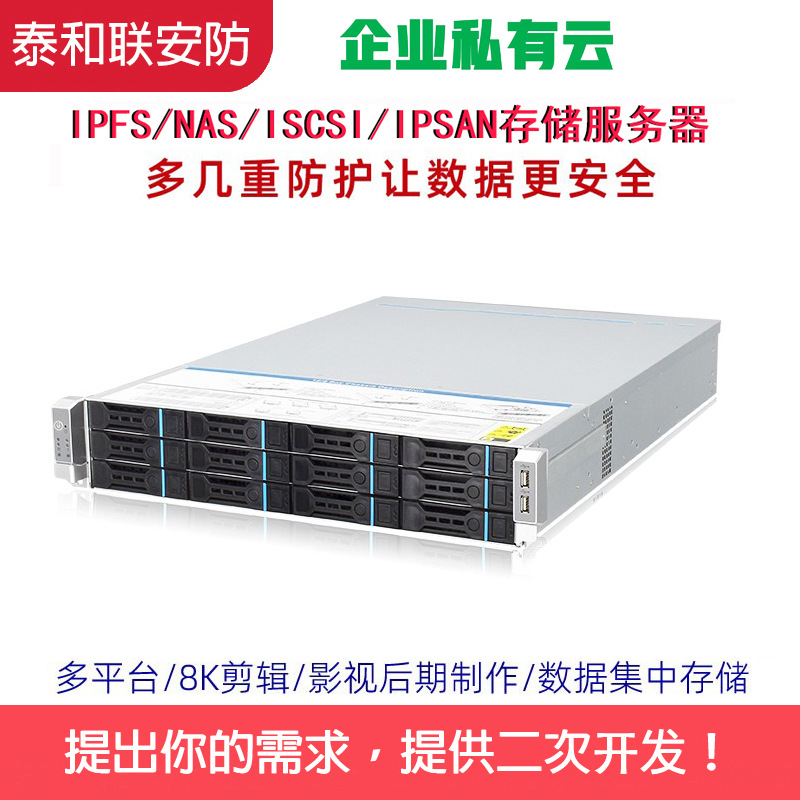
10G Fiber NAS disk array storage server album data file sharing 8/12/16 disk location
Multi-Channel HDMI HD Video Surveillance Decoder Matrix DS-6A01UD / 6A04UD / 6A06UD / 6A08UD: A Complete Guide for Professional Video Wall Projects
When a security control room grows beyond a handful of cameras, the bottleneck is rarely the cameras themselves. It is the decoding, switching and display layer. A single operator may need to watch dozens of live feeds across a video wall, call up recorded footage instantly, and keep every window in sync with alarm events. The Multi-Channel HDMI HD Video Surveillance Decoder Matrix DS-6A01UD / 6A04UD / 6A06UD / 6A08UD is built for exactly this scenario: a rack-mount decoding and matrix switching platform that combines multi-channel HDMI output, VGA and BNC outputs, alarm I/O and integrated splicing control in one chassis.
In this guide we break down what the decoder matrix does, how its ports are organized, where it fits best in real deployments, and what to check before ordering.
What Is a Multi-Channel HD Video Surveillance Decoder Matrix?
A decoder matrix is the bridge between encoded network video streams and physical displays. Instead of running a dedicated PC per screen, the matrix decodes incoming IP camera or encoder streams and maps them to output ports. Operators can switch layouts, split screens, cycle tours and push a single feed to a full screen or across multiple screens.
The DS-6A series goes a step further by integrating splicing control inside the same enclosure. That means one device can both decode and drive a multi-screen wall, removing the need for a separate splicing processor in small and mid-sized control rooms. The platform is described as a 2-screen HD decoder matrix with built-in splicing control, and it scales across four model variants — DS-6A01UD, DS-6A04UD, DS-6A06UD and DS-6A08UD — so integrators can match channel count to project size.
Key Specifications at a Glance
| Parameter | Detail |
|---|---|
| Model Series | DS-6A01UD / DS-6A04UD / DS-6A06UD / DS-6A08UD |
| Product Type | Multi-channel HD video surveillance decoder matrix |
| Configuration | 2-screen HD decoder matrix with built-in splicing control |
| HDMI Output Channels | 16 |
| VGA Output Channels | 48 |
| BNC Output Channels | 8 |
| Audio Output Channels | 16 |
| Alarm Inputs | 8 |
| Alarm Outputs | 8 |
| Input Interfaces | 8 |
| Network Interface | 1 |
| Stream Multiplexing (Combined Coding) | Not supported |
| Wi-Fi | Not supported |
| Power Supply | External, 220 V |
| Power Consumption | 45 W |
| Operating Temperature | -20 °C to 75 °C |
| Operating Humidity | 35 |
| Dimensions | 450 |
| Weight | 22.3 |
| Place of Origin | China |
| Brand | Other (neutral / OEM supply) |
Six Reasons Integrators Choose This Decoder Matrix
1. HDMI, VGA and BNC Outputs in One Chassis
Mixed output is the practical reality of most control rooms: new LED and LCD walls run on HDMI, legacy monitors and repeaters use VGA, and analog CCTV loops still ask for BNC. With 16 HDMI, 48 VGA and 8 BNC outputs, this decoder matrix can serve modern and legacy displays from the same device. That flexibility dramatically reduces the number of downstream converters and distribution amplifiers a project needs to buy, wire and maintain.
2. Built-In Splicing Control for Multi-Screen Walls
Because splicing control is integrated rather than added as a separate processor, a single matrix can drive a multi-screen wall with synchronized windows. This is especially valuable in branch-level control rooms, factory monitoring rooms and retail command centers, where the budget rarely stretches to a full distributed video wall processor. One device, one configuration interface, one point of maintenance.
3. Alarm Inputs and Outputs for Event-Driven Viewing
The unit provides 8 alarm inputs and 8 alarm outputs. Alarm inputs can trigger predefined viewing behaviors — for example, popping a specific camera to full screen when a perimeter sensor is tripped. Alarm outputs allow the matrix to drive external devices such as buzzers, warning lights or relay-triggered accessories. For security teams, this turns passive monitoring into an active response workflow.
4. Broad Operating Temperature Range
Rated from -20 °C to 75 °C, the platform tolerates the temperature swings found in unheated equipment rooms, rooftop cabinets and industrial sites. Many decoding boxes are specified for comfortable indoor conditions only; this wider envelope gives installers more freedom in enclosure design and ventilation planning.
5. Low Power Draw for Continuous Operation
At 45 W, the matrix is efficient enough to stay powered up continuously. Decoders typically run 24/7 for years, so a low and stable power figure matters for both electricity cost and thermal load inside a shared rack. Less heat also means longer service life for surrounding equipment.
6. Compact, Rack-Friendly Footprint
With a 450 dimension and a weight of 22.3, the chassis is designed for standard equipment cabinets. The external 220 V power supply keeps heat and mains conversion outside the main enclosure, which simplifies thermal management in densely packed racks.
Understanding the Port Layout Before You Specify
The port count on this decoder matrix is unusually rich, so it is worth mapping each group to a real use case:
- Input interfaces (8): the entry point for signal sources on this chassis, used together with the network interface for streamed video.
- Network interface (1): a single dedicated network port for stream acquisition, keeping video traffic separated from other building networks when a dedicated VLAN is configured.
- HDMI outputs (16): primary output group for LED/LCD monitors, video wall displays and HDMI matrices.
- VGA outputs (48): the largest output group, ideal for legacy monitors, distribution to multiple operator desks, and analog display chains.
- BNC outputs (8): analog loop outputs for existing CCTV monitors, repeaters or legacy recording equipment.
- Audio outputs (16): audio de-embedding to operator speakers or an audio distribution system, one per HDMI output path.
- Alarm I/O (8 in / 8 out): sensor integration and relay-driven device control.
What About Stream Multiplexing and Wi-Fi?
Two not supported items in the specification deserve a clear note. Combined coding (stream multiplexing) is not supported, meaning the matrix is a decoder and switcher, not a re-encoding device — it does not create new combined streams for redistribution. Wi-Fi is also not supported, because this class of equipment is designed for wired, fixed-installation networks. Both choices are normal for professional control room hardware and actually help stability. Plan your network as a cabled solution from the start.
Typical Deployment Scenarios
Security Control Rooms
Operators need the full picture fast. With 16 HDMI outputs plus splicing control, the matrix can maintain a large wall of live feeds while reserving displays for alarm-triggered full-screen views. The 8 alarm inputs make that workflow possible without extra hardware.
Manufacturing and Utility Monitoring Centers
Industrial sites often already have VGA-based displays and long cable runs. The 48 VGA outputs let a single matrix feed many monitoring points across production lines, substations or plant rooms, while HDMI handles the main wall.
Retail and Commercial Surveillance
Chain stores and shopping centers rarely need distributed processing but do want a reliable wall in the manager's office. A wall-mounted decoder matrix driving four to sixteen screens is a cost-effective alternative to a PC-per-screen setup.
Legacy System Upgrades
Facilities migrating from analog CCTV often keep existing BNC monitors during a staged rollout. The 8 BNC outputs allow analog displays to stay in service while new HDMI screens come online — a genuinely useful bridge during phased upgrades.
Selection Tips for the DS-6A Series
- Count displays, not cameras, first. Output channels define how many screens you can drive; decide the wall layout before choosing a model variant.
- Check the output mix you actually need. If most of your displays are legacy monitors, the VGA group will carry the load; if you are building a new LED wall, plan around HDMI.
- Confirm alarm workflow early. Map each alarm input to a camera and a display zone during design, not during commissioning.
- Play it safe on power. Use a stable 220 V supply and a properly grounded rack circuit; the external power adapter should have ventilation clearance.
- Plan for temperature. Even with a -20 °C to 75 °C rating, active airflow around the chassis is good practice.
- Verify the exact model code. The series includes DS-6A01UD, DS-6A04UD, DS-6A06UD and DS-6A08UD variants; confirm the code on the order sheet matches the channel count your project requires.
Installation and Commissioning Checklist
- Mount the matrix in a standard cabinet and leave clearance around air vents.
- Connect the external 220 V power supply and confirm grounding before powering on.
- Patch the network interface into the video VLAN and assign a static management address.
- Connect HDMI outputs to primary displays first, then VGA and BNC outputs as needed.
- Route audio outputs to the operator audio system if sound monitoring is required.
- Wire alarm inputs to sensors and alarm outputs to warning devices; label every terminal.
- Configure screen layouts, tours and alarm-linked views, then run a 24-hour soak test.
- Record the final configuration and store a backup for future maintenance.
Frequently Asked Questions
Does this decoder matrix support splicing across multiple screens?
Yes. The product is specified as a 2-screen HD decoder matrix with built-in splicing control, so splicing and decoding are handled by the same unit.
Can it re-encode streams for redistribution?
No. Combined coding (stream multiplexing) is not supported. The device decodes and routes video to outputs; it does not produce new combined streams.
Is there Wi-Fi?
No. The matrix is a wired installation device with a single network interface. A cabled network connection is required.
What is the power requirement?
An external 220 V power supply, with a rated consumption of 45 W.
What environment can it operate in?
The stated operating temperature range is -20 °C to 75 °C, with an operating humidity rating of 35.
Where is it manufactured?
Place of origin is China, supplied under a neutral or OEM brand arrangement, which suits system integrators who prefer to present the solution under their own project identity.
Final Thoughts
The DS-6A01UD / 6A04UD / 6A06UD / 6A08UD multi-channel HD video surveillance decoder matrix is a practical answer to a familiar problem: too many cameras, too many screens, and too little rack space for a stack of separate devices. By combining 16 HDMI outputs, 48 VGA outputs, 8 BNC outputs, 16 audio outputs, 8 alarm inputs and 8 alarm outputs with integrated splicing control in a single 45 W chassis, it gives integrators a compact building block for control rooms, monitoring centers and phased legacy upgrades.
Before ordering, confirm the specific model variant against your display count, verify that a wired network and external 220 V supply are available at the install location, and plan your alarm-linked viewing behavior during design. With those details settled, this decoder matrix can serve as the stable, low-maintenance display backbone of a professional surveillance deployment.