

 CN

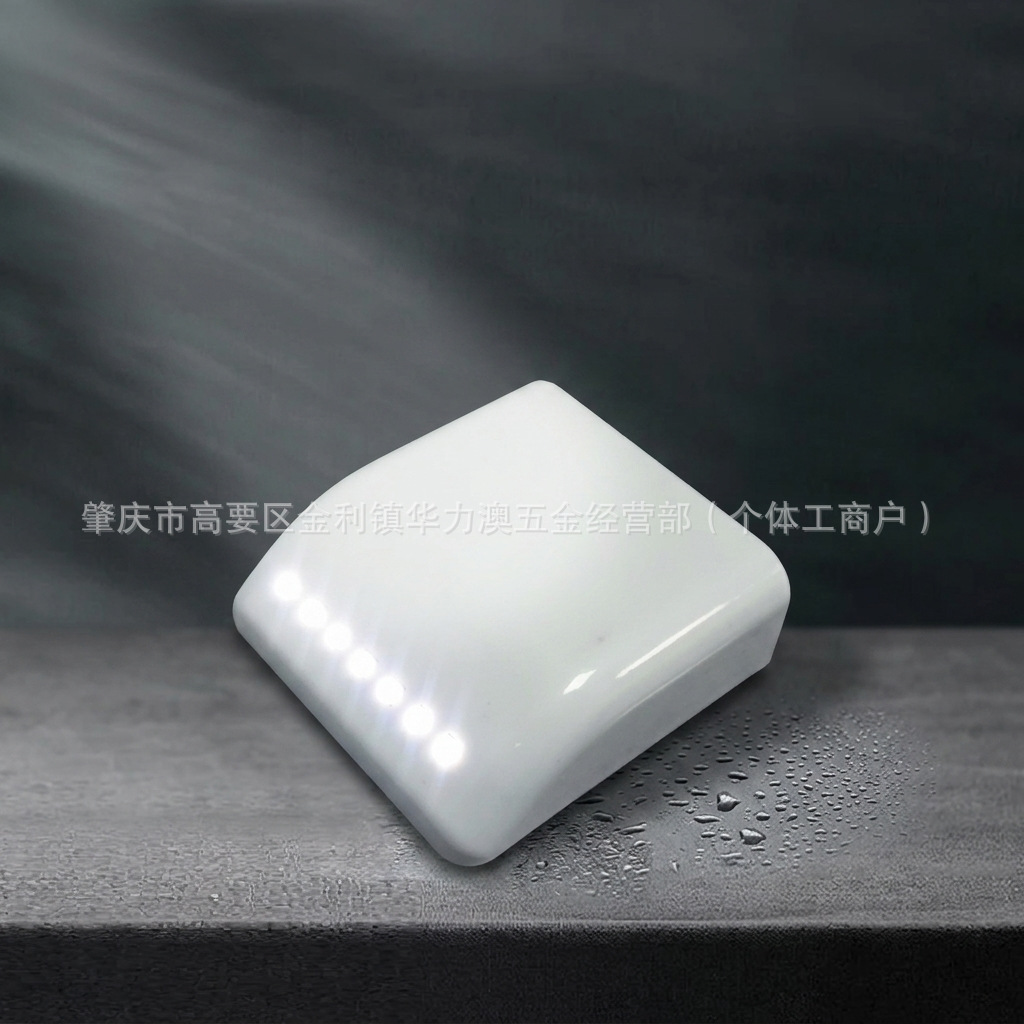
Wholesale cabinet door sensor lights, battery-free type cabinets, wardrobes, wine cabinets, decorative lighting fixtures, and cabinet lights
Push-to-Open Cabinet Latches: A Complete Guide for Drawers, Wardrobes and Handleless Doors
Handleless kitchens, minimalist wardrobes and clean-lined bathroom vanities all share one small but essential component: a reliable push-to-open latch. Sometimes called a rebound catch, press latch, tip-on catch or touch-release door bumper, this compact plastic mechanism lets a door or drawer pop open with a simple press and stay firmly closed the rest of the time. For furniture makers, cabinet installers and online sellers, it is one of those low-cost parts that quietly decides whether a customer thinks a piece of furniture feels premium or cheap.
This guide covers how press-fit latches work, where they are used, what to check before ordering, and how to install them correctly — plus what to look for when sourcing them in volume from a factory-direct supplier.
What Is a Push-to-Open Latch?
A push-to-open latch is a spring-loaded catch mounted inside a cabinet or behind a drawer front. When the door is pushed inward, the mechanism locks into the closed position. Push again, and the spring releases, pushing the door slightly outward so it can be pulled open by hand. Because no handle is required, the front of the furniture stays completely flush and uninterrupted.
The product described here is a slim white plastic press latch designed for both surface-mounted and recessed installation. The slim, elongated body makes it suitable for narrow door frames, slim drawer boxes and furniture where space behind the panel is limited.
Key Product Features at a Glance
- Press-to-release action — a single push opens the door or drawer, replacing a handle entirely.
- Slim elongated housing — fits narrow frames, slim drawer sides and tight cabinet interiors.
- White finish — blends into light-coloured panels and is easy to hide behind closed doors.
- Plastic construction — lightweight, rust-free and suitable for humid environments such as bathrooms and kitchens.
- Surface and recessed mounting — can be screwed directly onto a panel or set into a drilled recess for a lower profile.
- Factory-direct supply — produced in Guangdong, China, and positioned for wholesale and cross-border export channels.
Where Push Latches Are Used
These latches are a practical upgrade or spare part across a wide range of furniture types:
- Kitchen cabinets — handleless doors that need a clean, uninterrupted front panel.
- Wardrobes and closets — doors without knobs, especially in modern fitted bedroom furniture.
- Drawer boxes — slim drawer fronts on desks, bedside tables and bathroom vanities.
- TV units and media cabinets — push-open doors that keep the front of the unit visually flat.
- Storage benches and shoe cabinets — lids and doors that should stay closed without visible hardware.
- Retrofit and repair work — replacing broken or worn catches in existing furniture.
Why Furniture Makers Choose Press Latches
1. Clean, Handle-Free Design
Removing handles from a design is not just an aesthetic decision — it also removes the cost of drilling handle holes, buying hardware, packing screws and knobs, and replacing damaged handles after delivery. A press latch delivers the same opening function with a part that is almost invisible.
2. Low Unit Cost, High Perceived Value
Compared with metal tip-on mechanisms or magnetic systems, a plastic press latch is inexpensive to buy in bulk while still giving the customer a satisfying push and it opens experience. For sellers on marketplaces such as eBay, this makes it an attractive accessory listing or a useful bundle item with other cabinet hardware.
3. Moisture-Resistant and Rust-Free
Plastic bodies do not corrode, which makes these latches a sensible choice for bathrooms, laundry rooms and kitchen units where metal catches can eventually show rust spots.
4. Easy to Stock and Ship
The slim, lightweight design keeps packaging compact, which helps reduce shipping volume for cross-border orders. A single SKU in white can serve many different furniture styles, simplifying inventory management.
Specification Summary
| Item | Push-to-open cabinet and drawer latch (press rebound catch) |
|---|---|
| Material | Plastic |
| Colour / Style | White, slim elongated model |
| Mounting Type | Surface mount or recessed (concealed) mount |
| Application | Cabinet doors, wardrobe doors, drawer fronts, furniture panels |
| Place of Origin | Guangdong, China |
| Supply Model | Factory direct; suitable for cross-border export channels |
| Typical Sales Channel | eBay and other online marketplaces; main market includes China |
| Brand | Unbranded / neutral packaging (no licensable private brand attached) |
How to Install a Push-to-Open Latch
Installation is straightforward and usually takes only a few minutes per door with basic hand tools. The exact position depends on whether the door is hinged or sliding, but the general sequence is the same.
- Close the door and mark the contact point. Find where the door or drawer front meets the cabinet frame, and mark a spot roughly midway along the edge — not directly beside the hinge, where leverage is weakest.
- Test the clearance. Check that there is enough depth behind the panel for the latch body and its spring travel. The slim profile helps here, but always confirm before drilling.
- Choose surface or recessed mounting. For surface mounting, fix the latch base directly to the cabinet frame with screws. For recessed mounting, drill a shallow hole at the marked position, insert the latch body and secure it.
- Align the striker. If your kit includes a receiving plate or striker, mount it on the door or drawer front so it contacts the latch head squarely.
- Adjust the spring tension. Most latches allow a small amount of position adjustment. Test the door: it should close firmly without rattling, and pop open smoothly with light finger pressure.
- Check every door. Heavy doors may need two latches — one near the top and one near the bottom — to prevent the panel from twisting.
Installation Tips
- Keep latches away from door hinges; the further from the hinge, the less force is needed to release.
- For tall wardrobe doors, fit two latches to keep the door sitting flat against the frame.
- Make sure the cabinet has enough internal clearance for the door to travel inward when pressed.
- Use a soft close hinge together with the latch if you want the door to close gently rather than snap shut.
- Test with the door loaded — a drawer full of items can change how much pressure is needed.
Buying Guide: What to Check Before Ordering in Bulk
Material and Spring Quality
The plastic housing should feel rigid rather than flexible, and the internal spring should return smoothly without sticking. A poor spring is the most common cause of latch failure, so ask for samples before committing to a large order.
Consistent Dimensions
When a latch is installed into a pre-drilled recess, small dimension variations can cause fitting problems on the production line. Request a dimensional drawing and confirm tolerance levels with the supplier.
Packaging and Screws
Confirm whether screws are included and what packaging options are available. Neutral packaging is common for cross-border sellers who ship under their own listing labels.
Supply Stability
Because this item is supplied factory direct from Guangdong, ask about minimum order quantities, lead times and whether the same specification can be repeated consistently across repeat orders.
Branding Considerations
This product is offered without a licensable private brand, which makes it a neutral, generic component. If you sell on marketplaces, describe it by function and specification rather than by brand name, and make sure your listing photos and text comply with the platform's rules for unbranded hardware.
Common Problems and Quick Fixes
- Door will not stay closed. The latch head is not making full contact with the striker — move the latch slightly forward or adjust the striker position.
- Door does not pop open. The spring is likely under too little tension, or the door is too heavy for a single latch. Add a second latch or reset the adjustment.
- Door rattles when closed. The latch is not fully engaging; check alignment and make sure the door is not warped.
- Latch wears out quickly. This usually points to an overloaded door or cheap spring steel — choose a better specification for heavy panels.
Frequently Asked Questions
What is the difference between a push-to-open latch and a magnetic catch?
A magnetic catch holds the door closed but still requires a handle to pull it open. A push-to-open latch both holds the door and releases it when pressed, which is what makes handleless doors possible.
Can one latch handle a full-size wardrobe door?
For tall or wide doors, two latches are usually recommended — one near the top and one near the bottom. This prevents the door from flexing and gives a more even release action.
Can these latches be used in a bathroom?
Yes. Because the body is plastic, it will not rust in humid conditions, making it a practical choice for bathroom vanities and laundry cupboards.
Is this product suitable for cross-border e-commerce sellers?
Yes. It is positioned as an export-friendly component: it is compact, lightweight, unbranded and works well as a standalone listing or as part of a cabinet hardware bundle on platforms such as eBay.
Are screws included?
Screw inclusion and packaging options depend on the order arrangement — confirm the details with the supplier when requesting a quotation.
Final Thoughts
A push-to-open latch is a small part with an outsized effect on how a piece of furniture feels. It removes handles, simplifies front panel design and adds a genuinely satisfying opening action — all at a low unit cost. Whether you are fitting out a handleless kitchen, restocking spare parts for a repair service, or building a hardware listing for international marketplaces, a slim white plastic press latch from a Guangdong-based factory is a reliable, versatile choice.
Order samples first, confirm the dimensions and spring tension, and then scale up with confidence.