

 CN

Why Hua Tai 1.5V Alkaline AA Batteries Are the Smart Choice for Smart Door Locks
Smart door locks, keypad locks, fingerprint locks, and electronic anti-theft doors have transformed the way modern homes handle security. Yet every one of these devices shares a single, unglamorous weak point: the battery inside. A lock that loses power at the wrong moment is not a convenience feature — it is a security risk and a frustrating lockout. That is exactly the problem the Hua Tai 1.5V Alkaline AA Battery is designed to solve.
In this guide, we take a close look at what makes this single-cell alkaline AA battery a sensible, dependable choice for household smart locks, how to match the right battery to the right device, and what to check before you buy.
What Is the Hua Tai 1.5V Alkaline AA Battery?
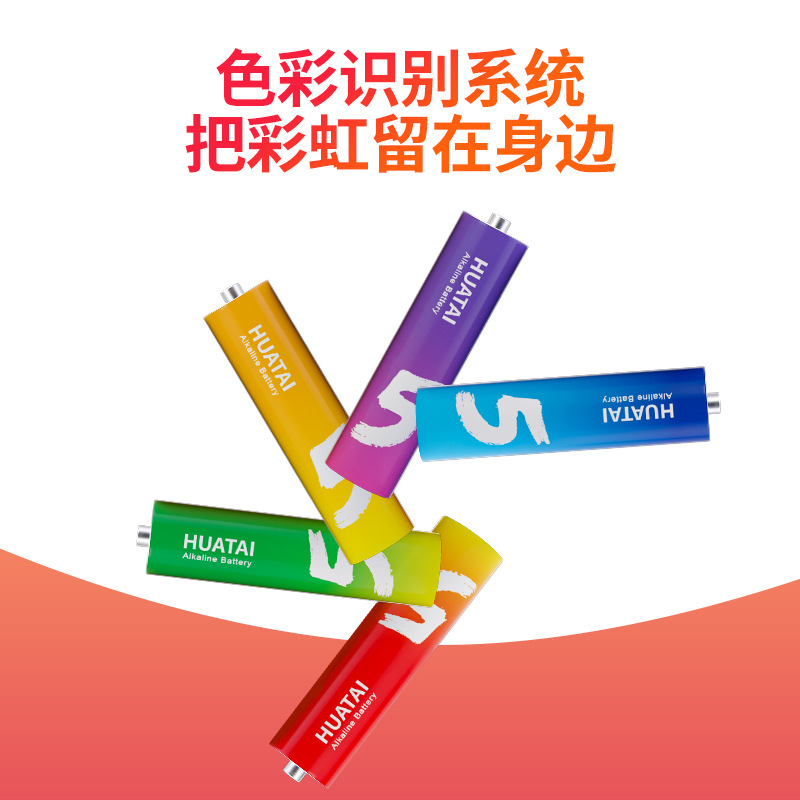
The Hua Tai fingerprint-lock AA alkaline battery is a standard 5号 (No. 5 / AA) size alkaline dry cell rated at 1.5 volts. It is a domestically produced cell — the product specification lists it as non-imported — and it carries ROHS certification, meaning it complies with restrictions on hazardous substances such as lead, mercury, and cadmium.
Key product facts at a glance:
- Brand: Hua Tai
- Model: Fingerprint Lock AA Alkaline (single-cell pricing)
- Cell type: 1.5V alkaline dry battery
- Size: AA / 5号 (approximately 14.5 mm diameter × 50.5 mm height)
- Certification: ROHS
- Origin status: Non-imported (domestic production)
- Typical use: Smart door locks, keypad locks, fingerprint locks, anti-theft doors, household electronics
Why Battery Choice Matters More for Smart Locks Than You Think
A smart lock is not a remote control. It sits idle for months, then draws a burst of current when the motor retracts the deadbolt. That pattern — long dormancy followed by a high-surge load — is one of the most demanding duty cycles a consumer battery can face. Two failure modes tend to appear when the battery is underspecified:
- Voltage sag under load. A weak cell may still read a healthy open-circuit voltage, but the moment the motor engages, the voltage collapses and the lock reports a low-battery warning — or simply fails to actuate.
- Leakage during long storage. Locks spend most of their life powered but unused. A poorly sealed cell can vent electrolyte and corrode the battery compartment, which is often more expensive to repair than the lock itself.
Alkaline chemistry is well suited to this kind of intermittent, moderately high-drain application. Compared with zinc-carbon cells, alkaline batteries hold their capacity better over long idle periods and recover voltage more steadily after a surge demand — which is precisely the profile a motorised deadbolt creates.
Where the Hua Tai AA Battery Fits Best
Because this is a standard AA form factor, it slots into a very wide range of household security and convenience hardware. Common matching devices include:
- Fingerprint and biometric entry locks
- Password and keypad deadbolt locks
- Electronic anti-theft door locks
- Smart handle sets and lever locks
- Wireless doorbells, smart peepholes, and door sensors
- General household AA devices: remotes, clocks, toys, scales, and flashlights
Most residential smart locks accept four to eight AA cells, so it is worth buying in multiples. The product is listed at a single-cell price, which makes it straightforward to calculate exactly how many you need for a full lock replacement plus a spare set for the drawer.
How to Get the Longest Life Out of Lock Batteries
Even a good battery performs badly if it is installed carelessly. These habits make a measurable difference in how long a set lasts:
1. Replace the whole set at once
Never mix fresh cells with partially drained ones. The weakest cell sets the ceiling for the entire string, and mismatched capacities accelerate reverse charging and leakage risk.
2. Match brand and chemistry
If your lock already runs on alkaline AA cells, keep it that way. Mixing alkaline and zinc-carbon, or mixing brands with different discharge curves, creates uneven loading across the pack.
3. Clean the contacts before installation
A dry cotton swab on the battery terminals and the compartment springs removes oxide film that can masquerade as a dead battery.
4. Respect the expiry date
Alkaline cells self-discharge slowly but not zero. Check the date code on the sleeve, and rotate stock so older cells are used first.
5. Store spare cells away from heat and moisture
A cool, dry drawer is ideal. Do not store loose cells where terminals can touch metal objects such as keys or coins.
Certification and Compliance: What ROHS Means for Buyers
The ROHS marking on this battery is not just a label. It indicates that the product has been assessed against restrictions on the use of specific hazardous substances, including mercury, cadmium, lead, and certain flame retardants. For households with children, and for anyone disposing of used cells in ordinary municipal waste streams, that matters. It also makes the battery easier to specify in procurement contexts where environmental compliance documentation is requested.
Product Specifications Summary
| Attribute | Detail |
|---|---|
| Brand | Hua Tai |
| Model | Fingerprint Lock AA Alkaline (single-cell price) |
| Nominal voltage | 1.5V |
| Chemistry | Alkaline dry battery |
| Size | AA / 5号 |
| Certification | ROHS |
| Import status | Non-imported (domestic) |
| Primary applications | Smart door locks, password locks, fingerprint locks, anti-theft doors, household AA devices |
Who Should Buy This Battery
This cell is aimed squarely at practical, high-frequency buyers rather than niche hobbyists. It suits:
- Homeowners with a smart lock installed who want a scheduled replacement routine and a spare set on hand.
- Landlords and property managers maintaining multiple rental units where a lockout call-out is costly.
- Installers and locksmiths who hand over a working lock and want a battery brand they can stand behind.
- Small offices and guesthouses running keypad entry on shared doors.
Common Questions About Smart Lock Batteries
How often should smart lock batteries be replaced?
Most residential smart locks with average traffic run roughly 8 to 12 months on a quality alkaline set. High-traffic doors, cold environments, and locks with motorised deadbolts will shorten that window. Many locks issue a low-battery alert at around 20 percent remaining capacity — treat that alert as a same-week task, not a reminder for later.
Can I use rechargeable AA batteries in a smart lock?
Some locks tolerate NiMH cells, but the lower nominal voltage (1.2V versus 1.5V) can trigger premature low-battery warnings, and many manufacturers advise against it. Always check the lock manual first.
Is this battery suitable for outdoor locks?
The battery itself is a standard alkaline cell. What matters is where the lock houses it. Aim for a compartment that stays dry and above freezing; alkaline performance drops noticeably in sustained cold.
What does single-cell price mean?
It means the listed price covers one individual AA battery rather than a multipack, so you can order exactly the quantity your lock needs — typically four, six, or eight cells for a full replacement.
The Bottom Line
Smart locks have made home security smarter, but they have also made households dependent on the humble AA cell. Choosing a battery with stable alkaline chemistry, a 1.5V rating, ROHS compliance, and consistent manufacturing is the simplest way to avoid lockouts, false low-battery warnings, and corrosion in the battery compartment.
The Hua Tai 1.5V Alkaline AA Battery is a practical, no-nonsense option built for exactly this job: fingerprint locks, password locks, anti-theft doors, and the everyday household devices that keep a home running. Stock a full set plus a spare pack, note the installation date on the inside of the battery cover, and your lock will do its job quietly for months at a time.
Specifications, certification status, and product details are provided as described by the manufacturer. Always confirm battery requirements in your lock's user manual before installation.