

 CN
CN
Revolutionizing Atmospheric Research: The N100 GNSS Navigation and Detection System
In the realms of meteorology, climatology, and space weather monitoring, precision data is paramount. The N100 Satellite GNSS Navigation Water Vapor and Ionosphere Comprehensive Detection System emerges as a cutting-edge tool engineered to deliver exactly that. Manufactured by Xing Kaisheng in China, this system represents a significant leap forward in integrated atmospheric sensing technology, designed for researchers and professionals who demand reliability and accuracy.
This system is not an off-the-shelf generic product; it is a customizable solution (Processing Customization: Yes) tailored to fit specific project requirements and research protocols. Its designation as a cross-border export supply source underscores its readiness to meet international standards and support global scientific endeavors, from regional weather forecasting to large-scale ionospheric studies.
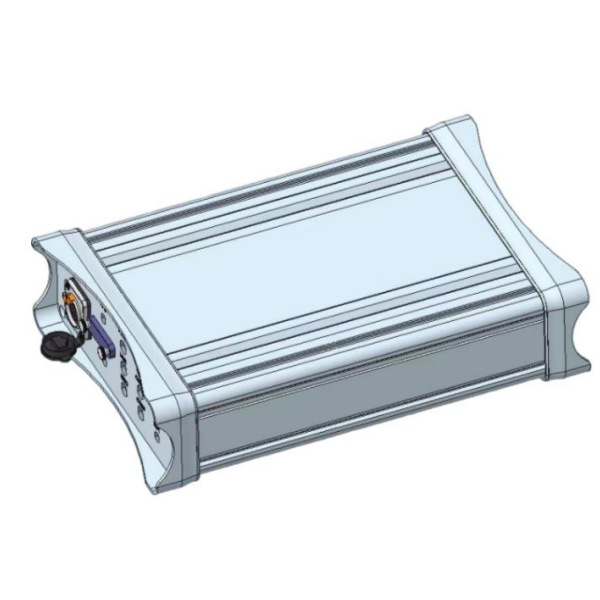
Technical Specifications and Design Excellence
The N100, with model and item number RLLS04C-RP, is built with a robust yet compact form factor. Weighing approximately 1.55 kg and with external dimensions of 175*157*55 mm, it offers a portable and easily deployable design for field operations. Its technical heart is defined by key parameters:
- Frequency: 60 Hz operational capability.
- Level: 24V power input, ensuring stable performance in varied installations.
These specifications are meticulously chosen to support continuous, high-fidelity data acquisition from Global Navigation Satellite System (GNSS) signals, which are then processed to extract critical information on precipitable water vapor in the troposphere and electron density in the ionosphere.
Core Functionality: Dual-Parameter Detection
The true power of the N100 system lies in its integrated dual-detection capability. By analyzing the delay and refraction of signals from multiple satellite constellations (like GPS, GLONASS, or BeiDou), it simultaneously performs two vital functions:
- Water Vapor Monitoring: Essential for improving the accuracy of numerical weather prediction models, understanding precipitation processes, and monitoring climate change indicators.
- Ionosphere Probing: Critical for studying space weather, which can impact satellite communications, GPS accuracy, and power grid stability. It provides insights into Total Electron Content (TEC) and ionospheric disturbances.
This combination makes the N100 an invaluable, cost-effective station for establishing or augmenting regional atmospheric observation networks.
Applications and Impact
The applications for the Xing Kaisheng N100 system are vast and impactful. It serves as a cornerstone technology for:
- National meteorological and hydrological services.
- University-led atmospheric and geospace research departments.
- Disaster early warning systems for severe weather events.
- Aviation and maritime industries requiring precise atmospheric data.
- Telecommunication companies assessing signal propagation conditions.
By providing continuous, real-time data on key atmospheric parameters, the N100 empowers scientists and operational meteorologists to make more informed decisions, enhance predictive models, and contribute to global environmental understanding.
Conclusion: A Smart Investment in Precision Science
The N100 Satellite GNSS Navigation Water Vapor and Ionosphere Comprehensive Detection System is more than just instrumentation; it is a comprehensive data solution. Its customizable nature, robust Chinese engineering, and compliance as a cross-border export product make it a strategically sound choice for organizations worldwide looking to advance their atmospheric sensing capabilities. For projects demanding precision, reliability, and integrated data on both water vapor and ionospheric activity, the N100 stands out as a definitive tool in modern geophysical observation.
Explore the specifications and consider how the N100 system can be tailored to empower your next research initiative or operational monitoring network.