

 CN
CN
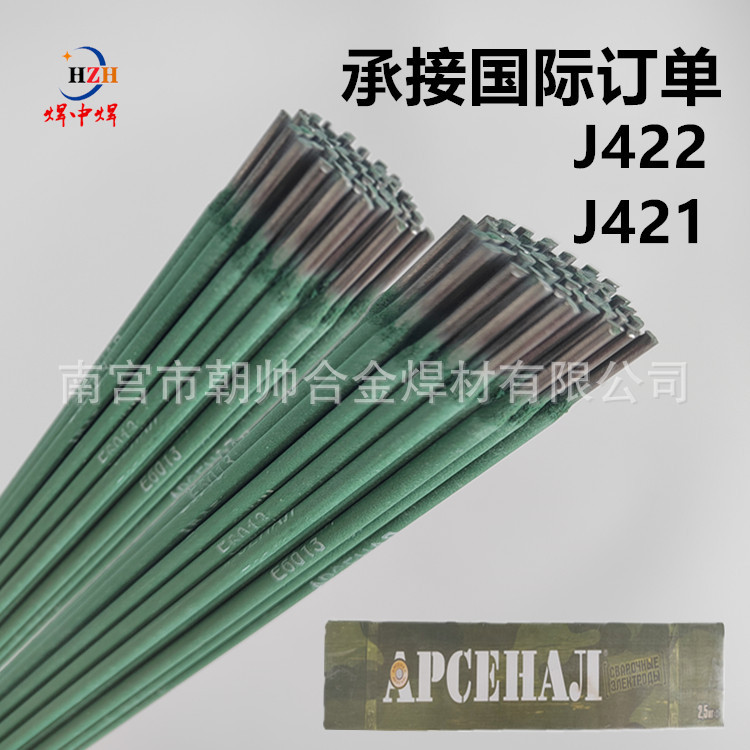
In stock: carbon steel electrode E6013, electrode 421, carbon steel electric electrode, structural steel electrode J421, rutile electrode
Master Your Welding Projects with Premium E6013 (J421) Rutile Electrodes
For DIY enthusiasts, hobbyists, and professional welders seeking a reliable and versatile electrode, the choice often boils down to one exceptional type: the E6013, also known as J421 or rutile electrode. Renowned for its ease of use and strong performance on carbon steel, this electrode is a staple in workshops worldwide. Today, we focus on the Spot Carbon Steel Welding Rod E6013 J421 from the trusted brand Welding In Welding, a product that perfectly encapsulates the qualities welders need for robust and clean results.
The E6013 classification signifies its tensile strength (60,000 psi) and its all-position welding capability, with the '13' indicating a rutile-based flux coating. This coating is key—it stabilizes the arc, allows for easy slag removal, and produces a smooth, aesthetically pleasing weld bead with minimal spatter. Whether you're working on structural steel, automotive repairs, or general fabrication, these electrodes offer exceptional versatility.
Why Choose Welding In Welding E6013 J421 Electrodes?
Manufactured in Hebei, China, a region with a strong industrial heritage, these electrodes are produced to consistent quality standards. The product is available in the most commonly used diameters: 2.5mm, 3.0mm, and 4.0mm, allowing you to select the perfect size for your metal thickness and amperage settings. The specific item highlighted here is the Model J421*2.5mm [Half Kilogram] pack, an ideal size for smaller projects or trying out the product.
Key Features and Benefits
- Excellent Arc Stability: The rutile coating ensures a smooth, easy-to-control arc, perfect for welders of all skill levels, especially beginners.
- All-Position Welding: Confidently weld in flat, horizontal, vertical, and overhead positions, providing maximum flexibility on complex jobs.
- Minimal Spatter & Easy Slag Removal: Save time on post-weld cleanup. The slag lifts off in a cohesive layer, revealing a clean weld underneath.
- Strong, Durable Welds: Creates reliable joints on low and mild carbon steels with good mechanical properties for structural integrity.
- Convenient Packaging: The half-kilo option is practical, reducing waste and keeping electrodes fresh for your next project.
Ideal Applications for Your Workshop
Where can you use these versatile rods? Their application is broad: General fabrication, repair work, automotive bodywork, sheet metal welding, and building structural frames. The 2.5mm diameter is particularly suited for light to medium gauge steel, offering great control and penetration without burning through thinner materials.
Selecting the Right Diameter for Your Job
Matching the electrode diameter to your workpiece is crucial for quality results. Use 2.5mm for sheet metal and light sections (up to 5mm). The 3.0mm diameter is a fantastic all-rounder for medium-thickness materials. For heavier plates and deep penetration on thicker joints, the 4.0mm electrode is your go-to choice. Always consult your welder's manual for recommended amperage ranges.
Conclusion: A Trusted Partner for Every Weld
In conclusion, the Spot Carbon Steel Welding Rod E6013 (J421) from Welding In Welding represents an outstanding value proposition. It combines the user-friendly characteristics of a rutile electrode with the consistent quality needed for professional-grade results. By choosing this product, you're not just buying welding rods; you're investing in smoother workflow, less frustration, and stronger, more reliable welds. Elevate your welding projects today with this dependable and high-performing essential.
Always remember to follow proper safety protocols when welding, including wearing appropriate PPE (helmet, gloves, jacket) and working in a well-ventilated area.